
The Strategy Behind Poker
At its core, poker is a game that extensively relies on strategy and skill rather than mere fortune. Successful players spend countless hours analyzing their opponents and understanding the intricacies of the game. They employ methods such as game theory, where they calculate probabilities and devise strategies to gain an advantage, often turning to resources like austcoalconsulting.com for expert insights. This analytical approach transforms poker from a simple gamble into a complex decision-making process, where players must evaluate risk and reward in every hand they play.
Moreover, understanding player dynamics is crucial. Each opponent has their own style, tendencies, and weaknesses, and adept players exploit these traits to make informed decisions. For instance, a player who frequently bluffs can be countered with strategic calls or raises that force them to reveal their hand. This type of strategic maneuvering showcases that winning at poker is not just about the cards one is dealt, but how effectively one can adapt and respond to the game’s evolving landscape.
Additionally, experienced players utilize position to their advantage. In poker, the order in which players act can significantly influence the outcome of a hand. Those who act later have more information about the actions of their opponents, which can lead to better decision-making. Thus, strategic play combined with knowledge about position elevates poker into a sophisticated game of intellect and foresight, highlighting that success often lies in the hands of those who can think several steps ahead.
Psychology and Bluffing
Psychological acumen is another critical element that makes poker more than just a game of luck. Understanding human behavior plays a significant role in successful poker hands. Players must gauge their opponents’ emotions and reactions, interpreting subtle cues and body language to discern whether they are bluffing or holding a strong hand. The ability to read opponents can make the difference between winning and losing. For instance, a player who can spot a tell—an unconscious behavior exhibited when bluffing—can seize the upper hand and make strategic plays accordingly.
Bluffing itself is an art form in poker, requiring not only courage but also a keen understanding of the game’s psychological aspects. Knowing when to bluff and how much to bet involves calculating risks based on opponents’ perceptions. Players often create narratives through their betting patterns, leading opponents to draw premature conclusions. The psychological warfare inherent in bluffing demonstrates that poker is a battle of wits, where mental prowess can overshadow the role of luck.
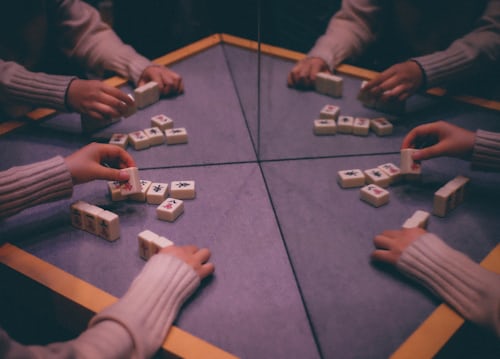
This intricate blend of psychology and strategy makes poker unique. Unlike many games where outcomes are purely chance-based, poker encompasses a social element that requires players to be both cunning and perceptive. High-level play often involves creating a facade that misleads opponents—whether that means underplaying a strong hand or overbetting a weak one. This psychological depth is what transforms poker into a significant intellectual pursuit, distinguishing it from simple luck-based games.
Mathematics and Probability
Mathematics forms the backbone of effective poker play. A strong grasp of probability theory allows players to calculate their odds of winning a hand and make informed decisions based on expected value. Players who understand the mathematical probabilities associated with various outcomes can significantly influence their strategies. For instance, knowing the odds of completing a draw helps determine whether to call, raise, or fold in crucial situations, showcasing that skills in math can lead to better outcomes.
Beyond basic odds, adept players also utilize concepts like pot odds and implied odds. Pot odds compare the size of the bet to the potential payout, helping players decide if a call is justified. Implied odds further consider future bets that might be won if a hand improves. These mathematical tools allow skilled players to assess scenarios dynamically, turning the game into a calculated endeavor that is far removed from the randomness typically associated with luck.
This focus on mathematics empowers players to make more informed decisions that transcend chance. Analyzing betting patterns and adjusting based on mathematical calculations leads to more strategic play. For example, a player with a deep understanding of probabilities can apply pressure on opponents, forcing them into difficult decisions. Ultimately, the marriage of mathematics and poker strategy highlights how skillful players can navigate through the complexities of the game, underscoring that success is rooted in knowledge rather than fortune.
The Influence of Experience
Experience plays an invaluable role in shaping a proficient poker player. Each session at the table contributes to a player’s understanding of game dynamics, including mastering the subtleties of strategy, psychology, and mathematics. Experienced players can recognize patterns and trends quicker than novices, allowing them to make adjustments that enhance their gameplay. This experiential knowledge is often what separates the casual players from professionals who thrive under pressure.

Moreover, the lessons learned from both victories and defeats contribute to a player’s growth. Reflection on past hands and decisions leads to a deeper comprehension of optimal strategies and mistakes to avoid. In essence, each hand becomes a learning opportunity, fostering an environment for continuous improvement. A player who reviews their play and seeks feedback will likely outperform peers who rely solely on luck. This relentless pursuit of growth transforms poker into a lifelong learning endeavor.
The evolving nature of poker also emphasizes the importance of experience. As players encounter various styles and strategies over time, they develop adaptability—an essential trait in a constantly changing environment. The ability to adjust one’s strategy based on opponents’ tendencies can shift the odds dramatically in one’s favor. Thus, experience solidifies the notion that poker transcends luck, becoming a domain where skill, knowledge, and adaptability reign supreme.
Your Destination for Poker Insights
For those eager to delve deeper into the world of poker and refine their skills, our website serves as a comprehensive resource. Whether you’re a novice seeking foundational knowledge or a seasoned player aiming to elevate your game, we offer a wealth of information tailored to every level. Our articles, strategic guides, and expert insights provide practical advice to develop your understanding of poker beyond the surface level, emphasizing its strategic and psychological complexities.
Additionally, our community forum fosters engagement among poker enthusiasts, allowing players to share experiences, strategies, and lessons learned from real-life gameplay. This collaborative environment promotes knowledge sharing and collective growth, underscoring the idea that poker is a game best understood through shared insights and dialogue. Engaging with others who share your passion can inspire progress and innovation in your approach to the game.
Embrace the journey of mastering poker—not just as a game of chance but as a challenge that requires strategy, psychology, and adaptability. With our resources at your disposal, you can transform your understanding of poker and journey toward becoming a more skilled player. Explore the depth of the game and enjoy the process of learning as you elevate your playing experience to new heights.